Ovarian Cysts: Causes, Symptoms, and Treatment in Abu Dhabi
Most ovarian cysts cause no symptoms and disappear on their own within a few weeks or months—many women never even realize they had one
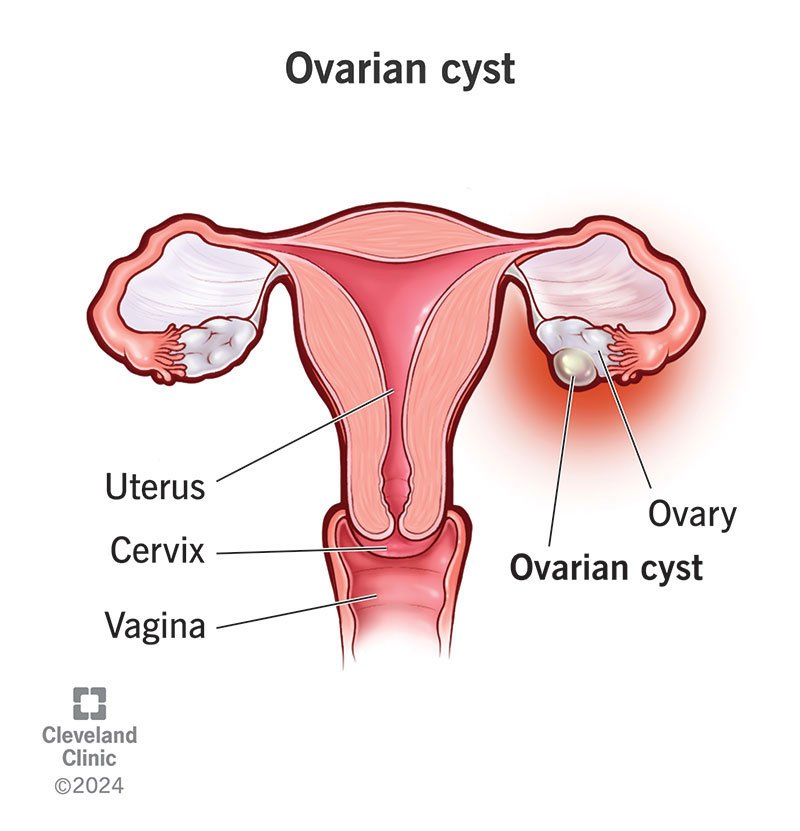
Ovarian cysts are fluid-filled sacs that form on or inside the ovaries. While most are harmless and disappear on their own, some can cause discomfort or health concerns. Understanding the different types of ovarian cysts, their symptoms, and when to seek care is important for every woman.
What Are Ovarian Cysts?
Ovarian cysts are common growths that can appear on one or both ovaries. They come in several forms, but most are benign (non-cancerous). Many women will develop a cyst at some point, often without symptoms or the need for treatment.
How Common Are Ovarian Cysts?
Ovarian cysts are very common—especially during the reproductive years. Most cysts occur as a normal part of the menstrual cycle (“functional cysts”) and resolve naturally. While most don’t cause problems, some cysts may require monitoring or treatment.
Ovarian Cysts: An Everyday Occurrence
Ovarian cysts are extremely common, especially in women of reproductive age. Most women will develop at least one ovarian cyst during their lifetime, often without even knowing it.
How Many Women are Affected by Ovarian Cysts?
Studies suggest that nearly every woman who hasn’t gone through menopause will develop small ovarian cysts at some point.
Most Ovarian Cysts Are Nothing to Worry About
While finding a cyst can be alarming, the vast majority are “functional” cysts—simply a part of the normal menstrual cycle.
Ovarian cysts are not limited to adults—they’re the most common abdominal tumor seen in infants and young children, with a prevalence above 30% in this group
Types of Ovarian Cysts
Functional Cysts: Form during ovulation; usually harmless and disappear without treatment.
Dermoid Cysts: Contain tissue such as hair or skin; almost always benign.
Cystadenomas: Fluid-filled cysts that can become large.
Endometriomas: Occur in women with endometriosis; filled with thick, brown fluid.
Polycystic Ovaries: Contain many small cysts due to hormonal imbalance (seen in PCOS).
Image suggestion: Icon grid or simple illustrative chart explaining each cyst type.
Symptoms of Ovarian Cysts
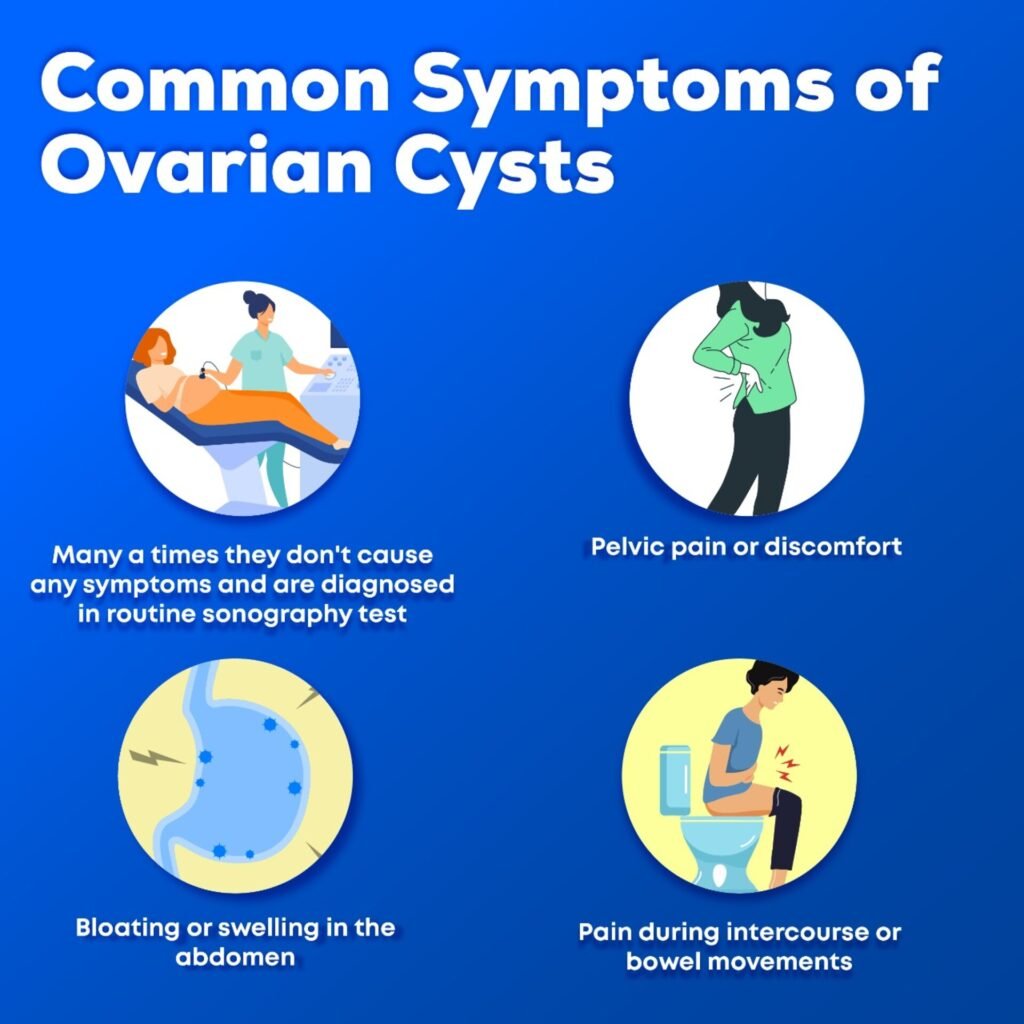
Many cysts are silent and cause no symptoms. When symptoms occur, they may include:
Pelvic pain (sudden, sharp, or dull ache)
Abdominal bloating or swelling
Pain during sexual intercourse
Frequent urination or trouble emptying the bladder
Changes in menstrual periods
Pain during bowel movements
In rare cases, a cyst can rupture or twist (torsion), causing sudden, severe pain—this is an emergency and needs immediate medical attention.
How Are Ovarian Cysts Diagnosed?
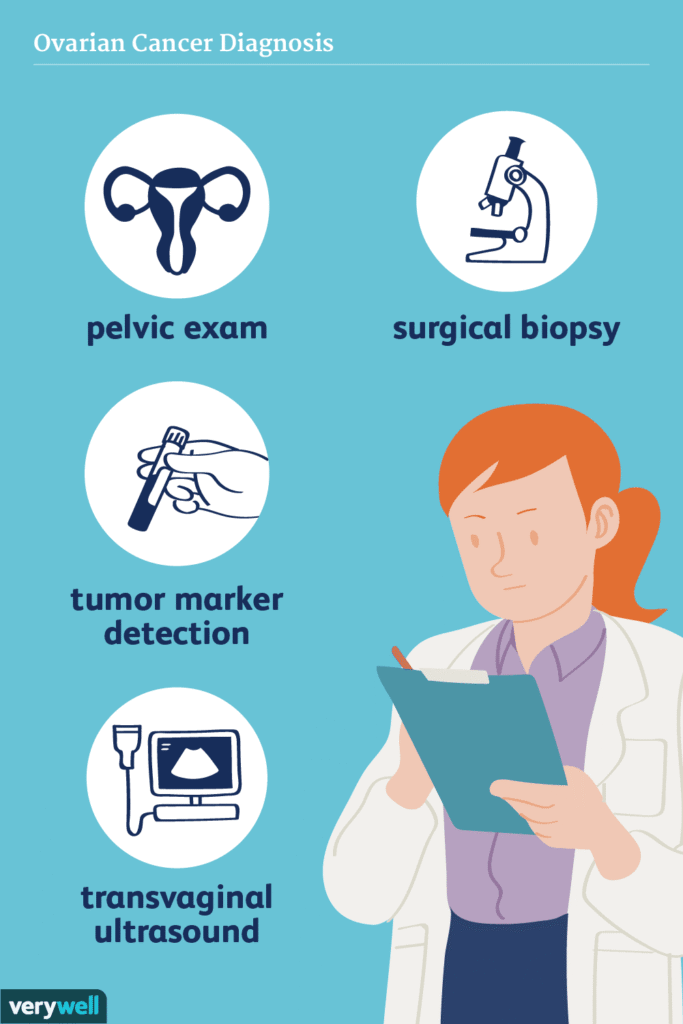
iagnosis is based on clinical assessment and tests:
Pelvic exam: To feel for swelling or tenderness.
Ultrasound scan: Shows the size, shape, and type of cyst.
Blood tests: Sometimes used to check for cancer markers, especially after menopause.
Treatment Options
Treatment depends on cyst size, type, and symptoms:
Watchful Waiting: Many small cysts disappear by themselves, especially if you have no symptoms.
Medications: Birth control pills may help prevent new cysts from forming.
Surgery: Needed if a cyst is large, painful, or looks suspicious. Often done with laparoscopy (keyhole surgery) for faster recovery.
When to See a Gynecologist
Consult a gynecologist if you experience:
Ongoing or severe pelvic pain
Irregular or painful periods
Sudden, intense abdominal pain
Concerns about fertility or your ovarian health
Prompt medical care ensures early diagnosis and treatment of any serious issues.
Ovarian cysts are common and usually not a cause for worry. With the right assessment and care from a gynecologist, most women recover fully and stay healthy. If you’re experiencing symptoms, don’t hesitate to seek expert support.


