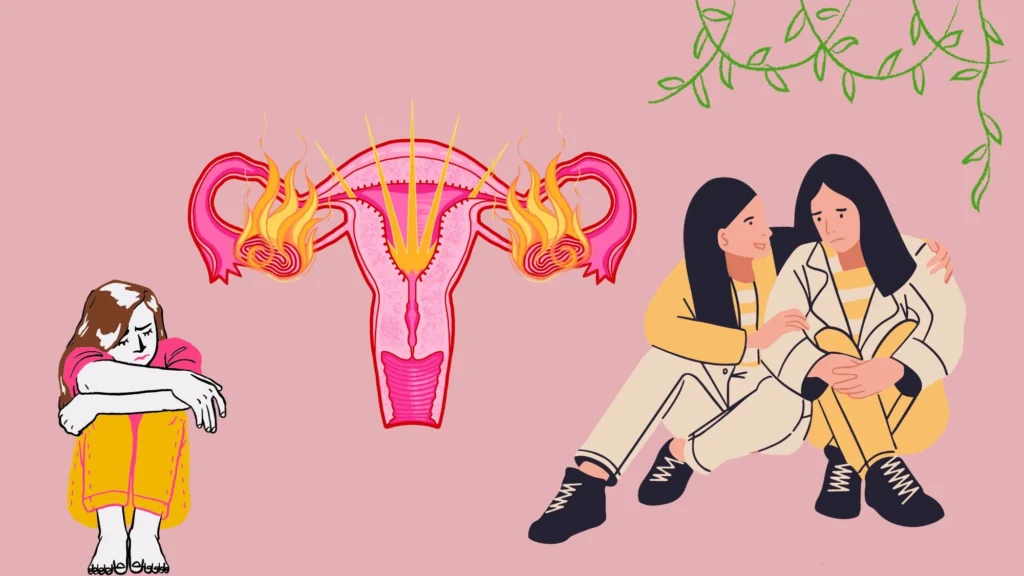
Living with endometriosis is not just a physical struggle—it can have a deep impact on your mental and emotional well-being.
What Patients Have Often Said to Me …
“I feel like I’m always in pain, and no one gets it.”
“It took years to get a diagnosis—I started doubting myself.”
“Every month, I dread my period. I plan my life around it.”
“I feel guilty saying no to friends and family when I’m not well.”
These experiences are valid—and you deserve support.
How Does Endometriosis Affect Mental Health?
Chronic pelvic pain, fatigue, irregular periods, and difficulty conceiving can lead to:
Anxiety about when the next pain episode will happen
Low mood or depression from ongoing discomfort
Feelings of isolation due to missed work, social events, or intimacy challenges
Frustration from delayed diagnosis or lack of understanding
Stress and sadness linked to fertility struggles
It’s common for women with endometriosis to feel emotionally exhausted—and you’re not alone.
What the Research Shows
Studies suggest that women with endometriosis are more likely to experience:
Depression
Anxiety disorders
Lower quality of life
Emotional burnout
This is often because chronic pain and hormone fluctuations affect not only the body—but also brain chemistry and mood regulation.
Tips to Support Your Mental Health
Talk about it – with your doctor, partner, or support group
Track your symptoms to better understand your triggers
Practice mindfulness or relaxation techniques
Keep moving gently—exercise can lift mood and ease pain
Don’t delay seeking help for emotional struggles
Know all your medical and surgical options – Educate yourself!
You’re Not Alone in This Journey
Endometriosis affects your mind, body, and daily life. But with the right care, you can regain control and feel like yourself again


