Why Contraception Counseling Matters

No single birth control method suits everyone. A personalized consultation helps you:
Understand all available contraceptive options
Consider your medical history, lifestyle, and preferences
Learn about effectiveness, side effects, and convenience for each method
Make confident and informed decisions about your reproductive health
Types of Contraception Offered and Advice
Short-Term Methods
Birth control pills: Daily tablets that regulate periods and can improve acne or menstrual cramps.
Patches or vaginal rings: Hormonal methods that are worn or inserted for a few weeks for continuous contraception.
Condoms: Barrier method providing protection against pregnancy and sexually transmitted infections (STIs); used as needed.
Emergency contraception: “Morning-after pill” for occasional use to prevent pregnancy after unprotected sex.
Long-Acting Reversible Contraception (LARC)
Intrauterine Device (IUD): Hormonal (Mirena) or non-hormonal (Copper T) devices placed in the uterus; last 5–10 years.
Contraceptive implant: A small rod inserted under the skin of your arm; effective for up to 3 years.
Contraceptive injection: Hormonal injection given every 3 months.
LARC methods are highly effective, convenient, and easily reversible when you decide to conceive.
Permanent Methods (For Those Certain They Do Not Want More Children)
Tubal ligation (female sterilization): A surgical procedure that blocks the fallopian tubes.
Counseling on vasectomy: Permanent male contraception performed by urologists (available through referral).
Additional Support Services
Management of side effects or hormonal issues
Guidance on switching contraception methods safely
Fertility planning and pre-pregnancy advice
Using contraceptives to treat period-related problems
Contraception guidance for adolescents and young women
Special counseling for women with medical conditions like diabetes, hypertension, or migraines
When to See a Specialist
If you are starting contraception for the first time, considering changing methods, or experiencing side effects, consulting a gynecologist ensures you receive expert advice tailored to your needs. Personalized, non-judgmental care helps you make the best decisions for your reproductive health at every stage.
Choosing and managing contraception is a journey, not a one-time decision. With expert, evidence-based care in a private, supportive environment, you can confidently navigate your options to protect your health and support your family planning goals.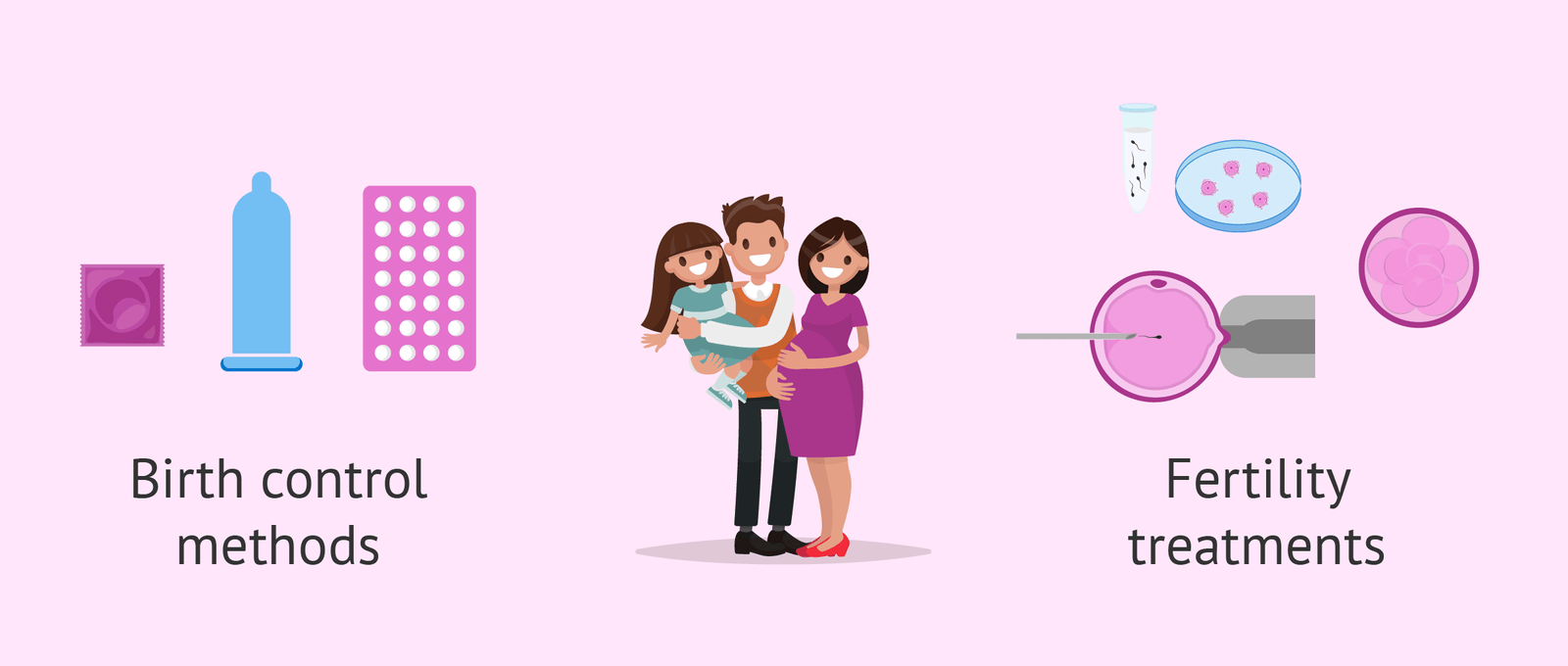
Optional: Did You Know?
Contraception is not only about preventing pregnancy but can also improve menstrual symptoms and protect against some cancers.
LARC methods have failure rates of less than 1%, making them some of the most reliable options.
Many contraceptive methods can be safely used by women with certain chronic health conditions after proper assessment.


