Fertility enhancing surgeries
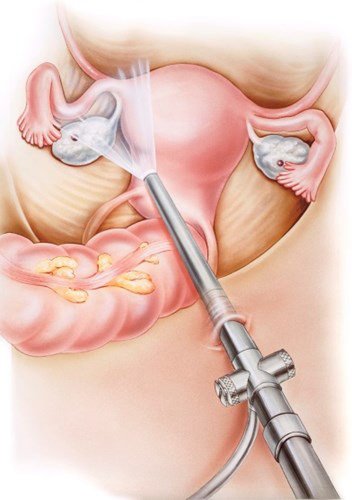
1. Laparoscopy (Keyhole Surgery)
A minimally invasive procedure using a small camera inserted through the abdomen.
Used for:
Diagnosing and treating endometriosis
Removing ovarian cysts
Releasing pelvic adhesions (scar tissue)
Assessing or unblocking fallopian tubes
Treating ectopic pregnancy
Often improves fertility outcomes by restoring normal anatomy.
2. Hysteroscopy
A small camera is inserted through the cervix to examine the inside of the uterus.
Used for:
Removing uterine polyps or fibroids (submucous)
Correcting a uterine septum (a congenital abnormality)
Treating intrauterine adhesions (Asherman’s syndrome)
Evaluating abnormal uterine shape or cavity issues
This procedure enhances the chances of implantation and pregnancy, especially before assisted reproductive techniques like IVF.
3. Tubal Surgery
These surgeries aim to correct or repair blocked or damaged fallopian tubes.
Types include:
Tubal cannulation (for proximal tubal blockages)
Fimbrioplasty (repair of the fimbrial end)
Salpingostomy (creating a new opening in blocked tubes)
May be suitable for selected women with mild to moderate tubal disease.
In cases of severe tubal damage or hydrosalpinx, removal of the tube (salpingectomy) before IVF can improve success rates.
4. Myomectomy
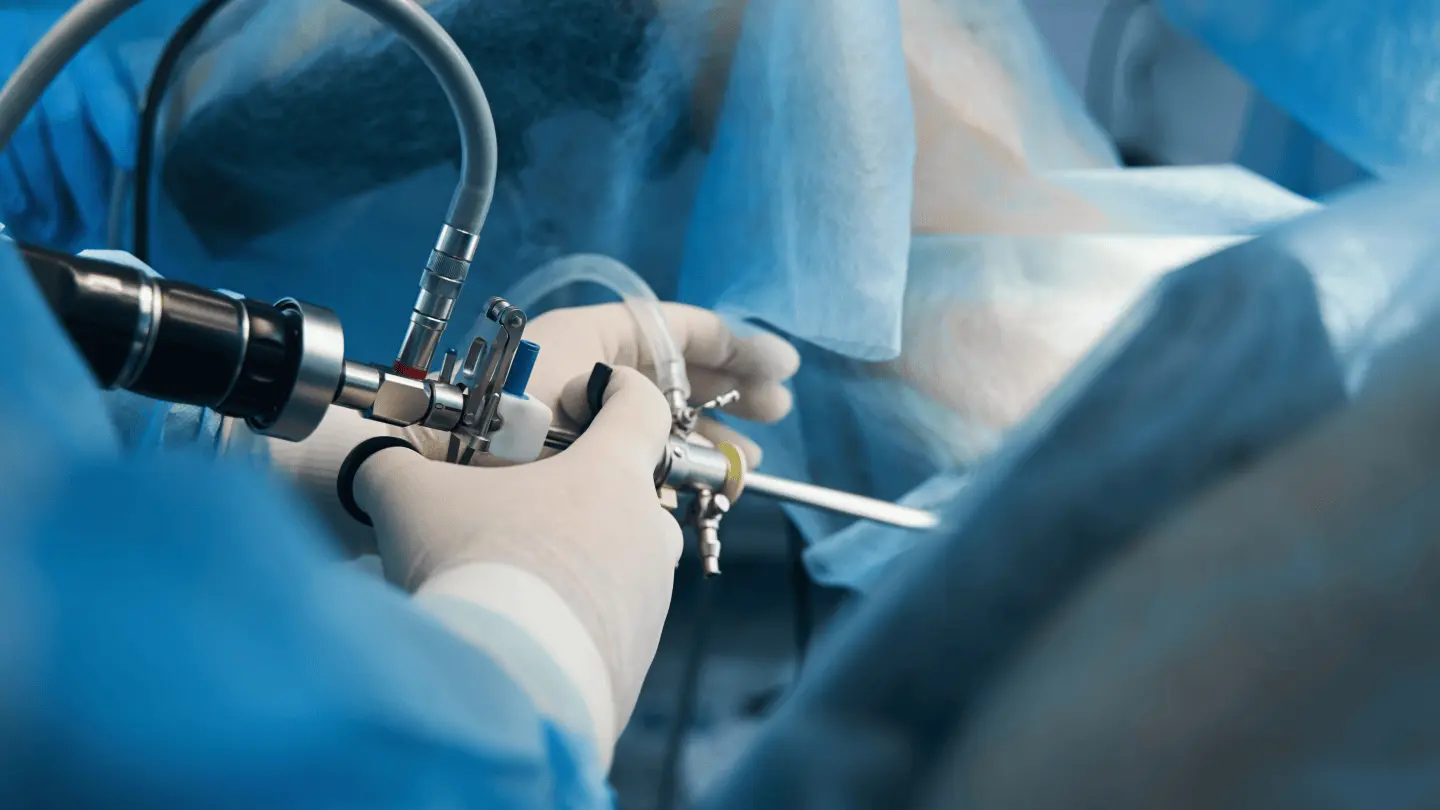
Surgical removal of uterine fibroids (myomas), especially if they distort the uterine cavity.
Can be done by:
Hysteroscopy (if inside the uterus)
Laparoscopy or laparotomy (if larger or deeper fibroids)
Restores normal uterine shape and may improve implantation and reduce miscarriage risk.
5. Ovarian Drilling
A laparoscopic procedure used for women with PCOS who do not respond to medications.
What is done?
Small holes are made in the ovary to reduce androgen levels and help restore ovulation.
Can improve natural ovulation and fertility in some PCOS cases.


