A Gynecologist’s Guide to Understanding PCOS
Polycystic Ovary Syndrome (PCOS) is a common hormonal condition that affects women of reproductive age. Many women have symptoms for years without realizing they may have PCOS.
Common Signs That You May Have PCOS
If you notice two or more of the following, it’s worth discussing with your gynecologist:
Irregular periods — cycles that are too long, too short, or missed altogether
Excess hair growth — especially on the face, chest, or stomach
Acne — persistent or adult-onset breakouts
Weight gain or difficulty losing weight
Thinning hair — especially around the scalp
Dark patches on the skin — around the neck, underarms, or groin
Difficulty conceiving — due to irregular ovulation
Some women with PCOS have no symptoms at all and only find out when trying to get pregnant.
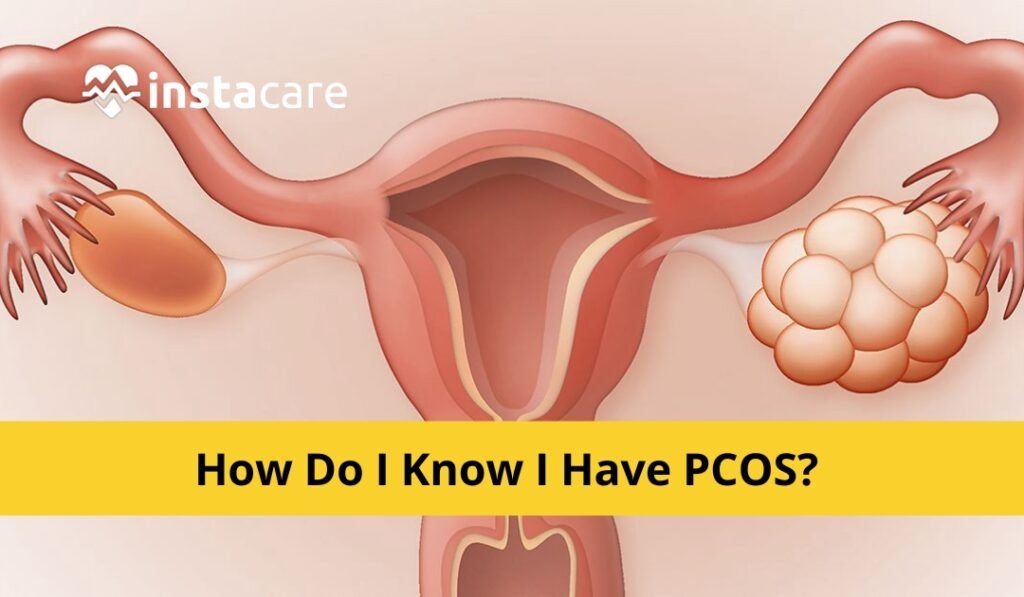
Is It the Same as Having Cysts on the Ovaries?
Not necessarily. Many women have polycystic-appearing ovaries without having the full PCOS syndrome. This is why seeing a gynecologist is important—we assess the whole picture, not just the scan.
When Should You See a Gynecologist?
Book a consultation if you:
Have irregular or absent periods
Are worried about acne, unwanted hair, or weight gain
Are planning to conceive and unsure about ovulation
Want to check your hormone health or get a second opinion
Early diagnosis and support can make a big difference to your long-term health and fertility.


