Infertility Care & Support: Helping You on the Path to Parenthood in Abu Dhabi
Infertility is defined as the inability to conceive after 12 months of regular, unprotected intercourse (or 6 months if you’re over 35). It can be emotionally difficult, but with the right care and assessment, many couples achieve successful pregnancies.
Understanding Infertility
Infertility can affect both women and men. In women, it may be due to ovulation problems, hormonal imbalances, or conditions like PCOS, endometriosis, fibroids, or blocked tubes. Male factors and unexplained infertility are also common.

How Common Is Infertility?
Infertility affects about 1 in 8 couples trying to conceive, and the number rises as women age. Many causes are treatable with proper assessment and medical support, leading to increased chances for parenthood.
Infertility: A Widespread Concern
About one-third of infertility cases are due to female factors, one-third to male factors, and one-third to both or unexplained.
How Many Couples Are Affected by Infertility?
Many couples conceive within the second year of trying, even after an initial period of difficulty.
Infertility in Numbers: More Common Than You Think
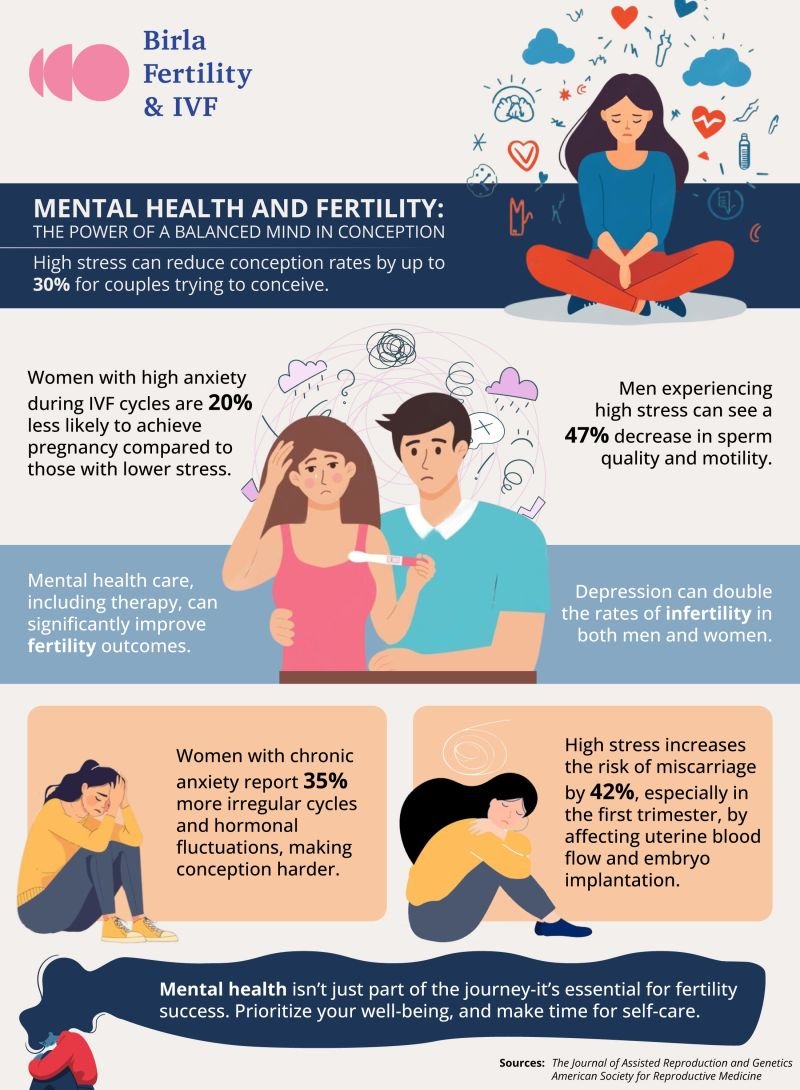
Lifestyle changes—maintaining a healthy weight, avoiding smoking, and managing stress—can improve fertility.
Common Causes of Female Infertility
Irregular or absent ovulation
Polycystic Ovarian Syndrome (PCOS)
Endometriosis
Uterine fibroids or polyps
Blocked or damaged fallopian tubes
Thyroid disorders
Age-related decline in egg quality
When to See a Specialist
Consult a fertility expert if:
You’ve tried to conceive for 12 months (6 months if over 35)
You have irregular or absent periods
Diagnosed conditions: PCOS, endometriosis, fibroids
Multiple miscarriages
You want to check your fertility before trying
Early evaluation and intervention reduce stress and improve the chance of success.
How Is Infertility Diagnosed?
A comprehensive assessment may include:
Detailed medical and menstrual history
Cycle tracking charts
Blood tests (AMH, FSH, LH, TSH, Prolactin)
Ultrasound or pelvic scan for uterus and ovaries
Ovulation testing
Semen analysis (for male partners; can mention in a partner-friendly way)
Advanced assessments or referrals if needed
Treatment Options and Fertility Services
Cycle monitoring and ovulation tracking
Ovulation induction (medication like Letrozole, Clomiphene)
Timed intercourse guidance for best results
Referral for IUI/IVF and coordination with local fertility centers if needed
Preconception counseling—advice on nutrition, supplements, and health optimization
Ongoing support—managing stress, planning next steps, emotional guidance
Every woman’s (and couple’s) journey to parenthood is unique, and you shouldn’t have to travel it alone. With expert infertility assessment and support, many find real hope and success. Take the next step—reach out for caring, personalized fertility care.


