What Is Premenstrual syndrome?
PMS is a collection of symptoms that appear in the one to two weeks before your period, caused by hormonal fluctuations in the menstrual cycle. These symptoms typically ease once your period starts.
Common PMS Symptoms
Physical symptoms may include:
-
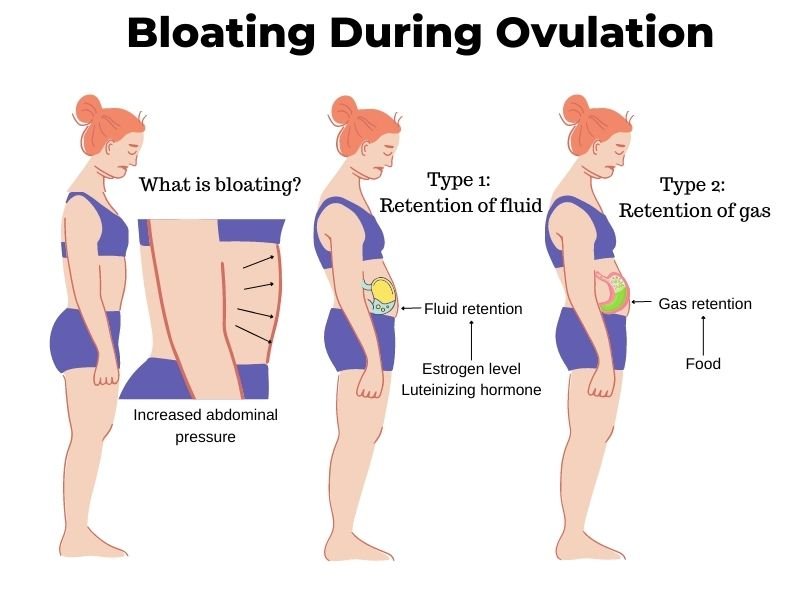
Bloating
-
Breast tenderness
-
Headaches
-
Fatigue
-
Cramping or backache
Emotional and mental symptoms may include:
-
Mood swings
-
Irritability or anger
-
Anxiety or low mood
-
Difficulty concentrating
-
Trouble sleeping
Some women may experience only mild symptoms, while others may feel quite overwhelmed—both are valid experiences

When Should I Be Concerned?
If your premenstrual symptoms interfere with work, relationships, or daily life, it may be more than just typical PMS. A more severe form called Premenstrual Dysphoric Disorder (PMDD) affects a small percentage of women and may require more specific treatment.
You should speak with a gynecologist if:
-
Your symptoms feel unmanageable
-
You rely on strong painkillers every month
-
You feel persistently anxious or low before your period
-
Your physical symptoms are severe or getting worse
How Can I Manage These Symptoms?
There are several ways to reduce emotional and physical symptoms before your period:
Lifestyle Adjustments
-
Eat small, healthy meals and reduce sugar and salt
-
Stay active—gentle exercise can boost mood and reduce bloating
-
Get enough sleep and manage stress with relaxation techniques
-
Track your cycle to understand patterns
Medical Options
-
Pain relief for physical discomfort (like ibuprofen)
-
Hormonal birth control to regulate symptoms
-
Antidepressants for mood symptoms in more severe cases
-
Vitamin B6, calcium, and magnesium supplements (under guidance)
Hormonal changes are normal—but persistent or distressing symptoms are not something you have to “just live with”. Seek gynecologist care to help manage PMS effectively—whether through lifestyle changes, hormonal care, or tailored support.


