Endometriosis is a disease in which uterine-like tissues grow out of place and become inflamed during a woman’s menstrual cycle even though the tissues are outside the uterus.
In fact, surgery is necessary for a definitive diagnosis and symptom relief. Due to vague symptoms, many women would see multiple specialists before finally reaching a diagnosis and care plan.
See an endometriosis specialist if you have:
- Severe period pain not relieved with over-the-counter medications.
- Period-related pain in other areas, such as the bowels or urinary tract.
- Family history of endometriosis.
- Persistent pain after endometriosis surgery.
- Persistent deep sexual pain unexplained by a gynecologist.
- Chronic infertility issues with a history of dysmenorrhea.
The importance of minimally invasive surgery for endometriosis
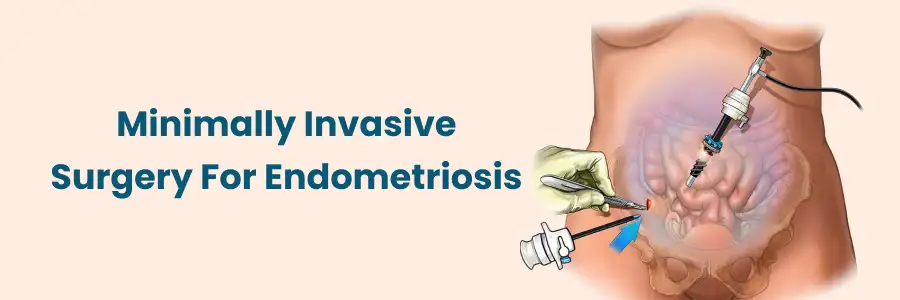
With minimally invasive surgery, small incisions and assistive devices overcome the necessity for the large incision required for open surgery. The differences between the two are evidence- based: with the former, patients experience less pain and minimal blood loss and have a faster recovery and a better cosmetic appearance.
Minimally invasive surgery can also lead to a more accurate diagnosis. For example, endometriosis on the diaphragm cannot be seen during an open operation if the incision is in the lower abdomen; however, with a small incision and a camera, lesions on the diaphragm can be found and treated in one procedure, along with lesions in other parts of the abdomen.
Treatment for endometriosis can be complex and while endometriosis is not curable, surgical removal of endometriosis lesions is an important part of a patient’s journey.
Because complex endometriosis can involve any organ in the body — and because it is considered a chronic disease that requires long-term treatment — it is critically important that women with this condition seek care from a trained endometriosis specialist along with a team with multi-specialty experts (colorectal surgeons, urologists, thoracic surgeons, etc.) for appropriate management.


