Uterine Fibroids: Diagnosis & Advanced Treatment in Abu Dhabi
Uterine fibroids are common non-cancerous growths of the uterus. Treatment options are varied—Dr. Monica Chauhan provides expert, individualized care.
What Are Uterine Fibroids?
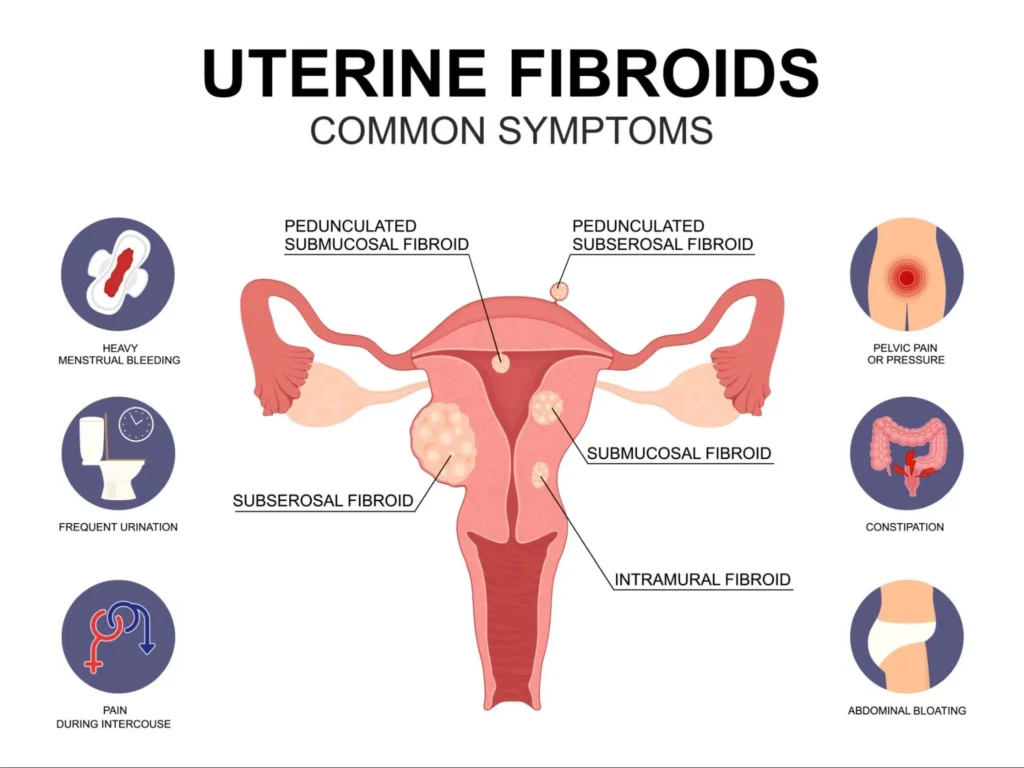
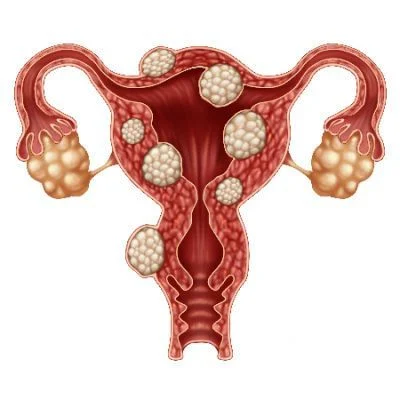
Uterine fibroids are non-cancerous growths that develop in or on the uterus (womb). They are made of muscle and fibrous tissue and can vary in size—from very small to large enough to affect the shape of the uterus. Fibroids are also known as myomas or leiomyomas.
How Common Are They?
Endometriosis lesions are classified into three major groups: superficial peritoneal lesions, cystic lesions on ovaries, and deep subperitoneal lesions.
Most common in women between ages 30 and 50.
Many women may have fibroids without experiencing symptoms, and prevalence rates detected by imaging in midlife can be as high as 51%, highlighting how frequently these silent growths occur
Up to 70–80% of women develop fibroids by age 50.
Studies show that fibroids are extremely prevalent, with up to 70–80% of women estimated to develop them by the time they reach 50 years old. The incidence increases with age, especially approaching menopause.
Many women have no symptoms and may not know they have them.
Despite being common, many women experience no noticeable symptoms and may only learn about fibroids incidentally during routine pelvic exams or imaging for unrelated issues. Asymptomatic fibroids often do not require any specific treatment unless they cause problems later on.
What Are the Symptoms?
Some women have no symptoms. Possible symptoms include:
Heavy or prolonged periods
Pelvic pain or pressure
Frequent urination
Constipation
Pain during sex
Lower back pain
Abdominal fullness or bloating
Difficulty getting pregnant (in some cases)
How Are Fibroids Diagnosed?
Fibroids can be detected during a pelvic exam. Diagnostic methods include:
Ultrasound: First-line imaging for fibroids
MRI: Detailed images for larger or multiple fibroids
Hysteroscopy: Visualization of fibroids inside the uterine cavity
Treatment Options for Uterine Myomas (Fibroids)
Treatment is customized based on size, number, location, symptoms, age, and fertility desires.
1. Watchful Waiting (Expectant Management)
* For small, symptom-free fibroids
* Regular pelvic exams and ultrasounds
* Avoids unnecessary interventions if stable
2. Medical (Non-Surgical) Treatments
a) Hormonal Therapies
Combined oral contraceptives: reduce heavy bleeding
Progestins (oral, injectable, or intrauterine)
GnRH agonists: temporary fibroid shrinkage
GnRH antagonists: oral options with fewer side effects
Selective progesterone receptor modulators (SPRM): may shrink fibroids and control bleeding (use varies by country)
b) Non-Hormonal
NSAIDs: relieves pain
Tranexamic acid: reduces bleeding
3. Minimally Invasive, Non-Surgical Treatments
Uterine Artery Embolization (UAE): Blocks blood supply, fibroids shrink (not for women desiring future pregnancy)
MRI-Guided Focused Ultrasound Surgery (MRgFUS): High-frequency sound waves destroy fibroid tissue, non-invasive
4. Surgical Treatment Options
a) Myomectomy (fibroid removal, uterus preserved)
Hysteroscopy: for fibroids inside uterine cavity
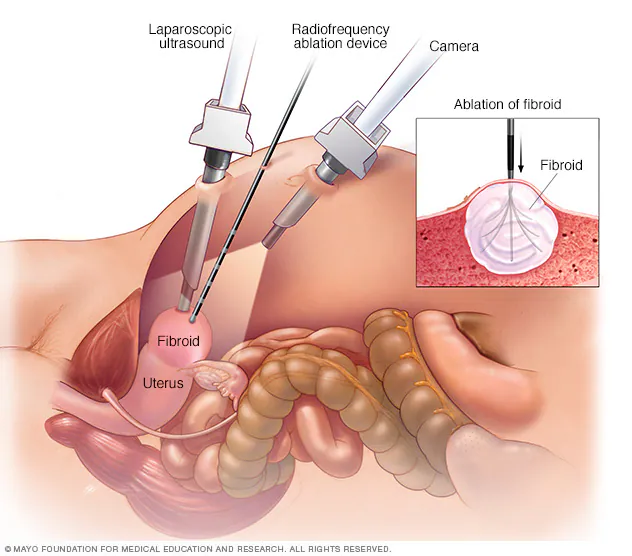
Laparoscopy: keyhole surgery for small/multiple fibroids
Laparotomy: open surgery for large/multiple fibroids
Preferred for women wanting to preserve fertility
b) Hysterectomy (uterus removal)
Complete cure
Used when symptoms are severe and fertility is not desired
5. Fertility-Focused Treatment
Individualized plans for those wishing to conceive
Myomectomy and pre-IVF management for fibroids distorting the uterine cavity
Dr. Chauhan’s Individualized Approach
Dr. Monica Chauhan’s extensive experience ensures that your treatment is tailored to your needs—no one-size-fits-all approach. A thorough consultation will help you choose the best option for your situation.
Call-to-Action:
Book your personalized consultation today to explore the safest and most effective treatments for uterine fibroids in Abu Dhabi.
Design and Layout Suggestions:
Start the page with a strong title/banner.
Follow with a short, attention-grabbing fact or FAQ-style box.
Use clear subheadings for each major section.
Include bullet lists for symptoms and treatment options for easy reading.
If possible, include diagrams (fibroid locations, uterus), relevant medical icons, or patient-friendly infographics.
Use boxes or colored panels for special notes (tips, facts, call-to-action).
End with a reassuring message and a prompt to book an appointment.


